One of the most common questions surrounding THCA is simple: Does THCA turn into THC?
Yes. THCA can convert into THC when it undergoes a chemical process known as decarboxylation. Heat is one of the primary factors that can cause this transformation.
Understanding that relationship helps explain why raw THCA and heated THCA can behave differently and why laboratory reports often distinguish between THCA, delta-9 THC, and total THC.
What Is THCA?
THCA stands for tetrahydrocannabinolic acid. It occurs naturally in cannabis plants and serves as a chemical precursor to THC.
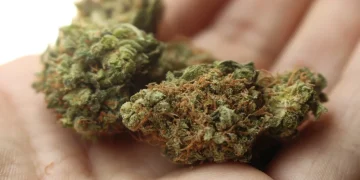
Fresh cannabis can contain substantial amounts of THCA while containing considerably smaller amounts of delta-9 THC.
Although the names are similar, THCA and THC are chemically different compounds.
The distinction becomes especially important when heat enters the picture.
How Does THCA Become THC?
THCA contains an additional carboxyl group in its molecular structure.
During decarboxylation, that portion of the molecule is removed, transforming THCA into THC.
Heat accelerates this process.
Research and regulatory testing methods account for this potential conversion, which is why laboratory reports may include calculations related to total available THC rather than reporting only the amount of delta-9 THC originally present.
USDA testing guidance specifically states that hemp testing must consider the potential conversion of THCA into THC.
Is Heat the Only Factor?
Heat is the best-known factor associated with decarboxylation, but it is not the only consideration.
Time, temperature, storage conditions, and exposure to environmental factors can influence the chemical stability of cannabinoids.
That means proper storage can matter when maintaining the characteristics of a cannabis or hemp product.
Products should generally be kept according to the storage recommendations provided by their manufacturer, particularly when specific temperature, light, or packaging instructions are included.
Why Does This Matter for THCA Flower?
THCA flower can contain a substantial concentration of THCA while its measured delta-9 THC concentration may be much lower.
That distinction helps explain why a THCA flower label can show a high THCA percentage without showing an equally high percentage of delta-9 THC.
Utoya’s current THCA flower catalog, for example, lists products by their tested THCA concentration and provides access to laboratory information for certain products.
Because agricultural products vary naturally, cannabinoid percentages can also differ among strains and batches.
What Does Total THC Mean?
You may also encounter the term total THC on laboratory documentation.
Total THC is designed to account for both THC that is already present and THC that could potentially be produced from THCA through decarboxylation.
It is therefore different from simply reading the delta-9 THC number by itself.
This distinction is especially important when interpreting laboratory testing or researching hemp regulations.
Why Laboratory Testing Matters
A product label provides useful information, but a current laboratory report can offer more detail.
Depending on the testing performed, a COA may show:
- THCA concentration
- Delta-9 THC
- Additional cannabinoids
- Sample or batch information
- Testing dates
- Laboratory details
Reviewing these results can help consumers better understand what the potency numbers on a product actually represent.
Understanding THCA and THC
The relationship between THCA and THC becomes much simpler once decarboxylation is understood.
THCA is a naturally occurring precursor to THC. When sufficient heat is applied, its molecular structure changes and THC can be produced.
Rather than treating THCA and THC as interchangeable terms, understanding the conversion between them provides a better foundation for reading product labels, interpreting COAs, and researching THCA products.
This post was written by a professional at Utoya Organics. Utoya Organics is a producer, developer and manufacturer of hemp-derived products. Buy Delta 8 THC, Delta 9 THC, THCP, HHC, THC-O, CBD, CBG, CBN, and more! We formulate our own products and distribute them all over the United States with over 400 locations nationwide. Utoya specializes in cannabinoid products such as edibles, flowers, tinctures, vapes, Yumz Magic Nootropic Gummies and more! All of our oil blends are Nano-Amplified to absorb faster (maximum bioavailability). All of our vaping products and hemp flowers are free of any solvents. No MCT, no alcohol, no vitamin E, no VG. Our cannabinoid distillates are never isolates, so it’s always golden in color and very effective. All third-party tested to meet compliance.